Financing a Manufactured Home: The Complete Guide
- TL;DR / Key Takeaways:
- Chattel loans finance homes on leased land or in parks, offering faster approvals but shorter terms and higher rates.
- FHA Title I and II loans provide government-backed options for both personal property and permanently affixed homes.
- Conventional mortgages require the home to be permanently affixed to land you own, offering the lowest rates and 30-year terms.
What is the Difference Between Chattel, FHA, and Conventional Loans?
If you are sitting down to map out the purchase of a new factory-built home, navigating the financing side of things can feel a bit overwhelming. The good news is that you have several excellent financing paths available, but the right choice depends entirely on one main question: where is the home going to sit, and who owns the land underneath it?
Let's break down the three primary options exactly how an industry specialist would explain them to you at the closing desk, so you can see which path fits your specific situation.
The Three Main Financing Paths: Chattel, FHA, and Conventional
Chattel Loans
Financing for the Home Only Think of a chattel loan as a personal property loan rather than a traditional real estate mortgage. This is the path you will take if you are planning to place your home on leased land, inside a dedicated manufactured home community, or on a lot where you don't own the deed to the ground.
Because the loan only covers the home itself and not the real estate, the process moves incredibly fast. Underwriting is straightforward, and approvals typically happen much quicker than a standard mortgage. On the flip side, because the lender doesn't have land as extra collateral, chattel loans generally come with slightly shorter repayment terms—usually capping out between 15 and 20 years—and interest rates that run higher than a traditional mortgage. It is a fantastic, highly accessible option if you want to get into a home quickly without the added expense of buying acreage.
FHA Loans
Flexible, Government-Backed Financing If you need a bit more flexibility with your credit history or down payment, an FHA loan is a powerful tool. The Federal Housing Administration backs these loans through two different programs depending on your setup.
The first is the FHA Title I program, which is incredibly unique because it can be used to finance just the home itself on a leased lot, just a plot of land, or the home and land together. If you are looking at a more permanent setup, the FHA Title II program behaves like a traditional mortgage. For a Title II loan, the home must be built after June 15, 1976, and it must be permanently affixed to a foundation on land that you own. The biggest advantage here is accessibility; FHA guidelines allow for competitive terms over 15 to 30 years and are designed to help buyers secure a home even with lower credit scores.
Conventional Mortgages
The Long-Term Real Estate Strategy If your goal is to buy both the home and the land together, treating the property as a permanent, long-term real estate investment, a conventional mortgage is your best option. Programs like Fannie Mae’s specialized manufactured housing initiatives allow you to finance the purchase just like a site-built home.
To qualify for a conventional mortgage, the home must be permanently affixed to a qualifying foundation on land that you own, transforming it legally from personal property to real estate. This path requires a solid credit profile, but it rewards you with the absolute lowest interest rates available on the market and standard 30-year repayment terms. It is the ultimate route for building long-term equity in your property.
Understanding Credit Scores and Requirements
When a lender sits down to review your application, they are primarily looking at your credit history, your down payment, and your debt-to-income ratio.
As a general rule of thumb, a credit score between 580 and 620 is the baseline standard to open up most manufactured housing loan programs. Conventional loans are a bit stricter, typically requiring a minimum score of 620 along with a down payment, though some conventional programs offer down payments as low as 3 percent for well-qualified buyers.
If your score is on the lower side, FHA programs are much more forgiving. In many cases, if you can put down a 10 percent down payment, FHA guidelines allow lenders to approve financing for credit scores down to 500. Keeping your existing debts low and showing steady income will give you the maximum leverage regardless of which loan type you pursue.
Frequently Asked Questions
Can I finance site preparation, foundation pouring, and delivery costs?
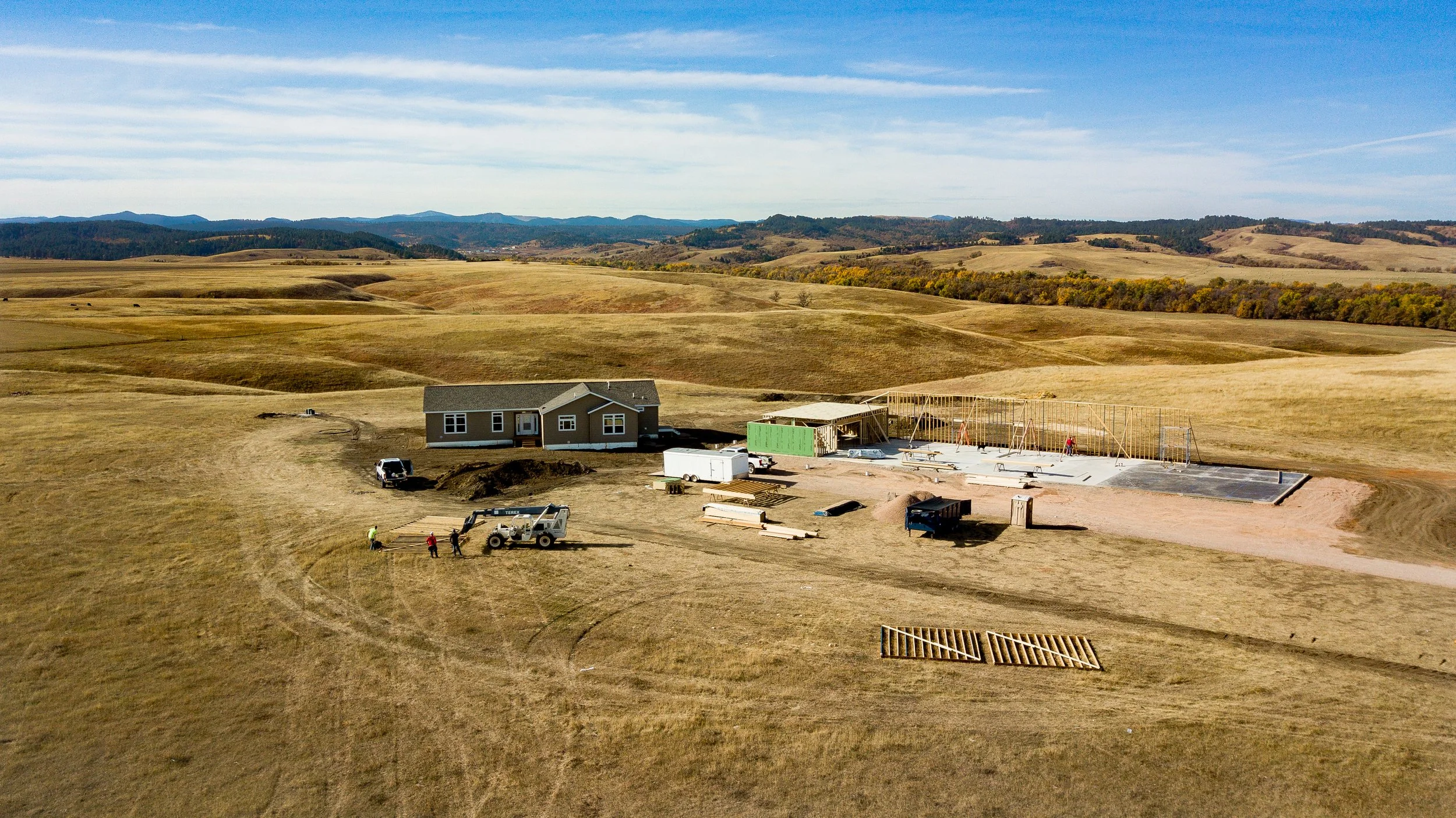
Absolutely. If you are utilizing an FHA or a conventional real estate mortgage, the costs of preparing your land—such as clearing trees, pouring a permanent concrete foundation, and delivering the home from the sales center—can be rolled directly into your total loan amount. This keeps you from having to pay thousands of dollars out of pocket before your home even arrives on-site.
Do retail sales centers provide direct, in-house financing?
Typically, a modular or manufactured home sales center does not act as a direct bank or lender. Instead, a dedicated team works closely with an established network of trusted national and regional lenders who specialize exclusively in factory-built housing. They will act as your advocate, helping you package your application and connecting you with the specific lending partners most likely to give you the best possible rate and terms for your unique property setup.